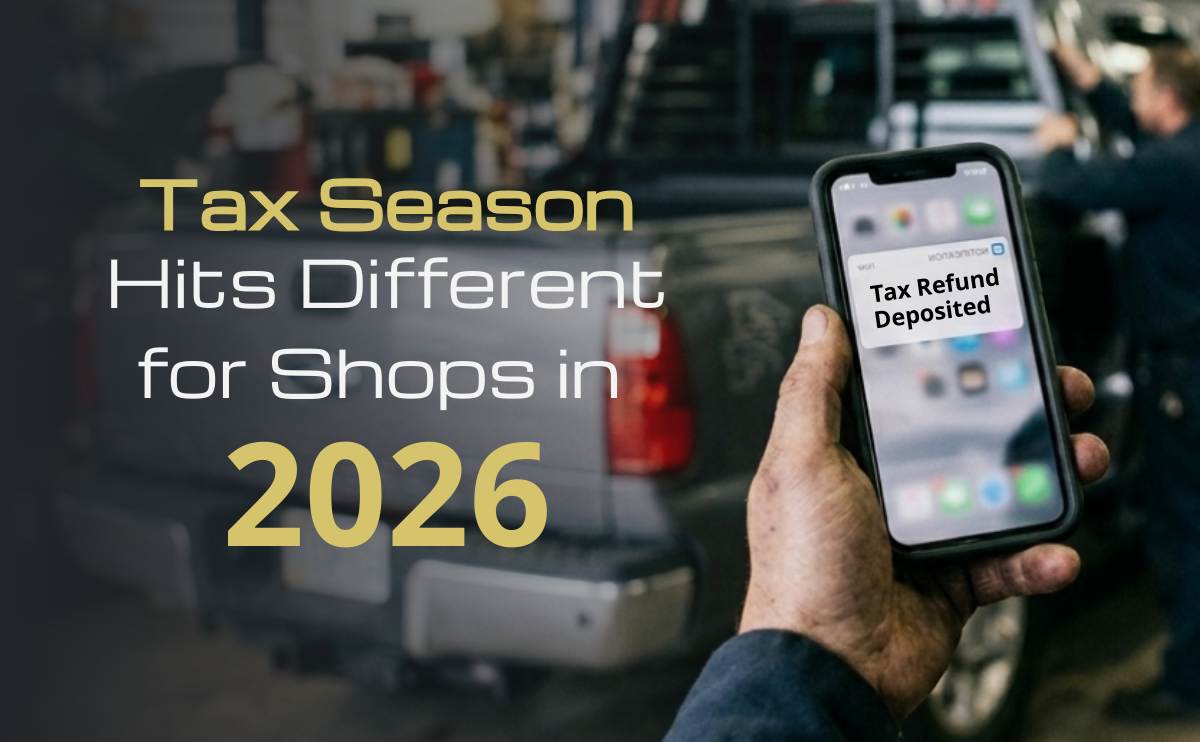
Tax season creates one of the aftermarket’s most predictable sales windows of the year with millions of households receiving a tax refund within a short window each spring, but this year is different.
As of the 2026 filing season, the IRS reports that the average tax refund is up 10.2%, according to CNBC. Many working households view this as their largest single cash infusion of the year. Let’s break down why this matters right now and how you can take advantage of it in your shop.
The Economic Backdrop Supports Spending
The broader economy shows continued consumer resilience.
-
Personal consumption expenditures continue to grow year over year, according to CNBC
-
U.S. retail sales remain above pre-COVID levels
-
The unemployment rate remains historically low, hovering near 4 percent, based on Bureau of Labor Statistics data
Consumers show caution, but they continue to spend.
Retail data from Mastercard SpendingPulse and other retail trackers shows steady spending in durable goods categories.
Automotive aftermarket performance has remained stable, even as other discretionary categories fluctuate.
Consumers shift behavior rather than stop spending.
High-Ticket Spending Remains Active
“If there’s one thing Americans love as much as their trucks, it’s modifying them to make them their own,” — Gavin Knapp, SEMA Director of Market Research.
-
Cox Automotive reports that average new-vehicle transaction prices remain near record highs.
-
Interest rates on auto loans remain elevated
So what does this mean? Consumers are keeping vehicles longer. When consumers keep vehicles longer, they invest in upgrades and maintenance. That trend directly benefits your shop’s business.
Industry research from SEMA and other aftermarket sources consistently shows strong consumer interest in personalization and accessory upgrades. Truck and SUV segments remain among the strongest-performing categories.
Tax refunds accelerate those planned purchases.
How Consumers Use Tax Refunds
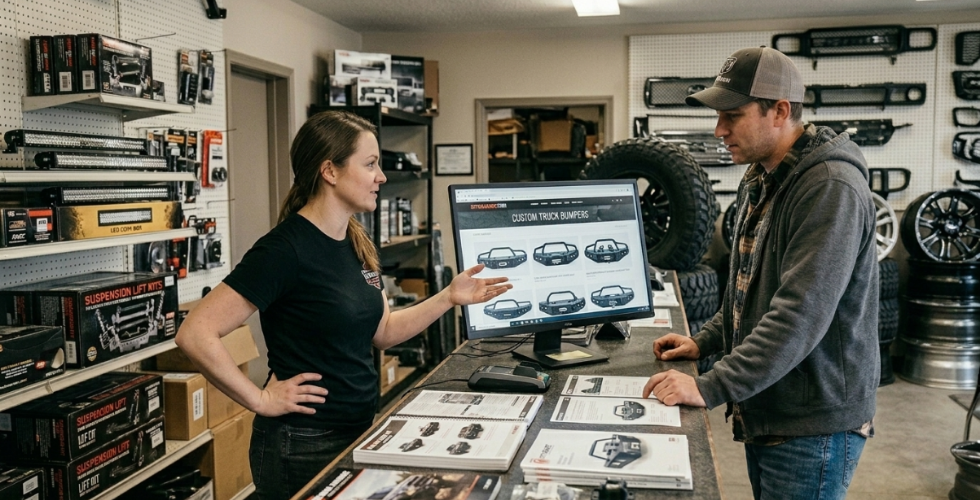
Tax refunds create a psychological shift in spending behavior. Customers treat refunds as extra money rather than earned income. They feel less pressure to delay decisions. They feel they have permission to get that next upgrade.
Each year, tax refund spending trends toward home improvement, travel, and vehicle upgrades, according to the National Retail Federation. Automotive consistently ranks near the top of planned refund purchases. Truck accessories, performance parts, suspension, wheels, and tires align directly with these trends.
Your products sit in a prime category.
The average $3,800 refund sets your shop up for selling big-ticket items and packages like:
-
A lift kit with installation
-
Wheels and tires
-
Bed covers and accessories
-
Performance upgrades
-
Engine rebuild deposits
The refund reduces friction. It shortens the decision cycle. Even though your customers have that extra money in their pockets, you need to do more than hope they spend it.
Why This Year Requires Strategy
The current economy rewards value-driven purchases.
Consumers avoid impulse buys. They prioritize products that extend asset life or improve daily utility. Upgrading an existing truck makes financial sense when new vehicle payments exceed $700 per month, as reported by automotive finance data sources.
Your job becomes positioning upgrades as smart investments.
Turning Economic Trends Into Action
You can’t rely on walk-in traffic alone. The IRS usually sends the bulk of refunds between late February and early April. Many consumers receive funds in March. At this point, customers move from planning to purchasing. Your messaging should become more direct, focusing on urgency and availability.
Customers often want upgrades immediately once refunds arrive. Shops can win these sales by
-
Presenting complete installed packages instead of listing separate parts
-
Support with strong visuals
-
Before-and-after builds in your showroom and on your website and social media
- Product videos on N-Store TV so customers see upgrade ideas while they wait or browse
-
-
Train your counter team to start conversations about upgrade plans
-
Coordinate your promotions with your Total Truck Centers warehouse distributor deals
-
Plan your inventory around typical spring demand
Prepare for the Next Wave of Customers
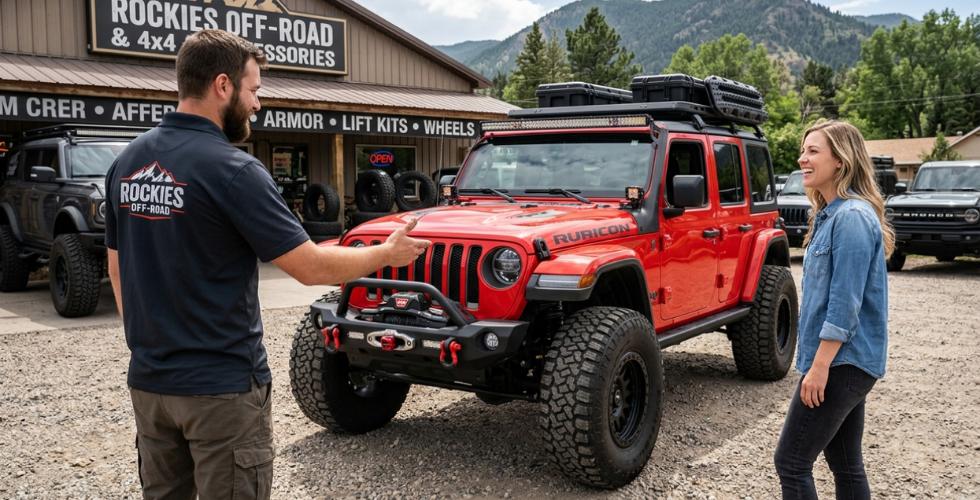
Tax season doesn’t only drive accessory purchases, it also drives vehicle purchases. Many consumers use refunds for down payments on trucks, SUVs, and CUVs. These buyers often wait several months before adding accessories.
You already know what new vehicle owners buy first. Bed covers, floor liners, running boards, and cargo solutions often move quickly after a new truck or CUV purchase. Wheels, tires, leveling kits, and lighting upgrades often follow a few months later. That pattern repeats every year.
Use that knowledge to prepare early. Look at vehicle sales data in your region later in the year. Track which makes/models gain the most traction. Those vehicles often create the next wave of accessory demand. If a certain truck is dominating local sales this tax season, prepare inventory and marketing around it. Make sure your sales team understands the common upgrade paths for those vehicles.
Many buyers wait several months before adding accessories. Social media and email both play a role in making sure your customers think of your shop when looking for upgrades. Post upgrade ideas, install photos, and package deals that show what those vehicles can become. ReadyPosts has 3,000+ free posts to choose from for Total Truck Centers shops.
Customers often need reminders and inspiration. If you stay visible and keep showing them what is possible, you increase the chances that their next upgrade happens in your shop.
Start Now
Strong shops promote bundles early, stock key products, and capture customer information for future marketing. When you plan ahead and stay visible, tax season becomes more than a short sales bump. It becomes the starting point for stronger revenue throughout the entire year.