Motor oil prices have been rising, and synthetic lubricants are becoming harder to find in some markets. While many people assume the problem starts with crude oil, lubrication expert Lake Speed Jr. says the real issue is much farther down the supply chain.
During our recent episode of Leading the League, AAM and Total Truck Centers President Tim Odom and Speed dove into why synthetic base oil supplies have tightened, which products are most likely to be affected, and what shops, fleets, and equipment owners can do while the market adjusts.
The Problem Isn’t Crude Oil
One of the first questions Odom raised was one that many people have asked.
If the United States produces plenty of crude oil, why is there concern about motor oil supplies?
Speed said crude oil and finished lubricants are two very different products.
“Crude oil production and exporting is different than finished products,” Speed said. “Crude doesn’t magically turn into motor oil.”
Only certain facilities produce the synthetic base oils used in today’s lubricants. According to Speed, three major synthetic base oil plants in the Middle East have been operating at reduced capacity after attacks during the regional conflict. Together, those facilities account for about 40 percent of the world’s synthetic base oil production. That loss of production has tightened supplies around the world.
Prices Are Already Moving Higher
The supply shortage is already affecting lubricant prices. Speed said synthetic oil prices have increased between 15 and 30 percent over the past month as manufacturers compete for a smaller supply of synthetic base stocks.
Some additional production is expected later this year when Chevron brings a new Group III base oil facility online in Mississippi. Speed believes that will help improve supply in North America, but it will not replace all of the production currently missing from the global market. As long as demand is there, it’s going to continue to push prices higher.
More Than Just Motor Oil
The shortage extends well beyond passenger vehicles.
Odom noted that synthetic base oils are used in racing lubricants, but Speed said the list is much longer than that. Industrial equipment, hydraulic systems, aviation, and many other applications all rely on the same high-performance base oils.
“It’s not just the automotive market,” Speed said. “Synthetics are used anywhere you need high performance, incredibly low temperatures, very high temperatures, or very long drain intervals.”
With so many industries depending on the same products, competition for available supply continues to increase.
Extending Oil Life Makes More Sense Than Switching Products
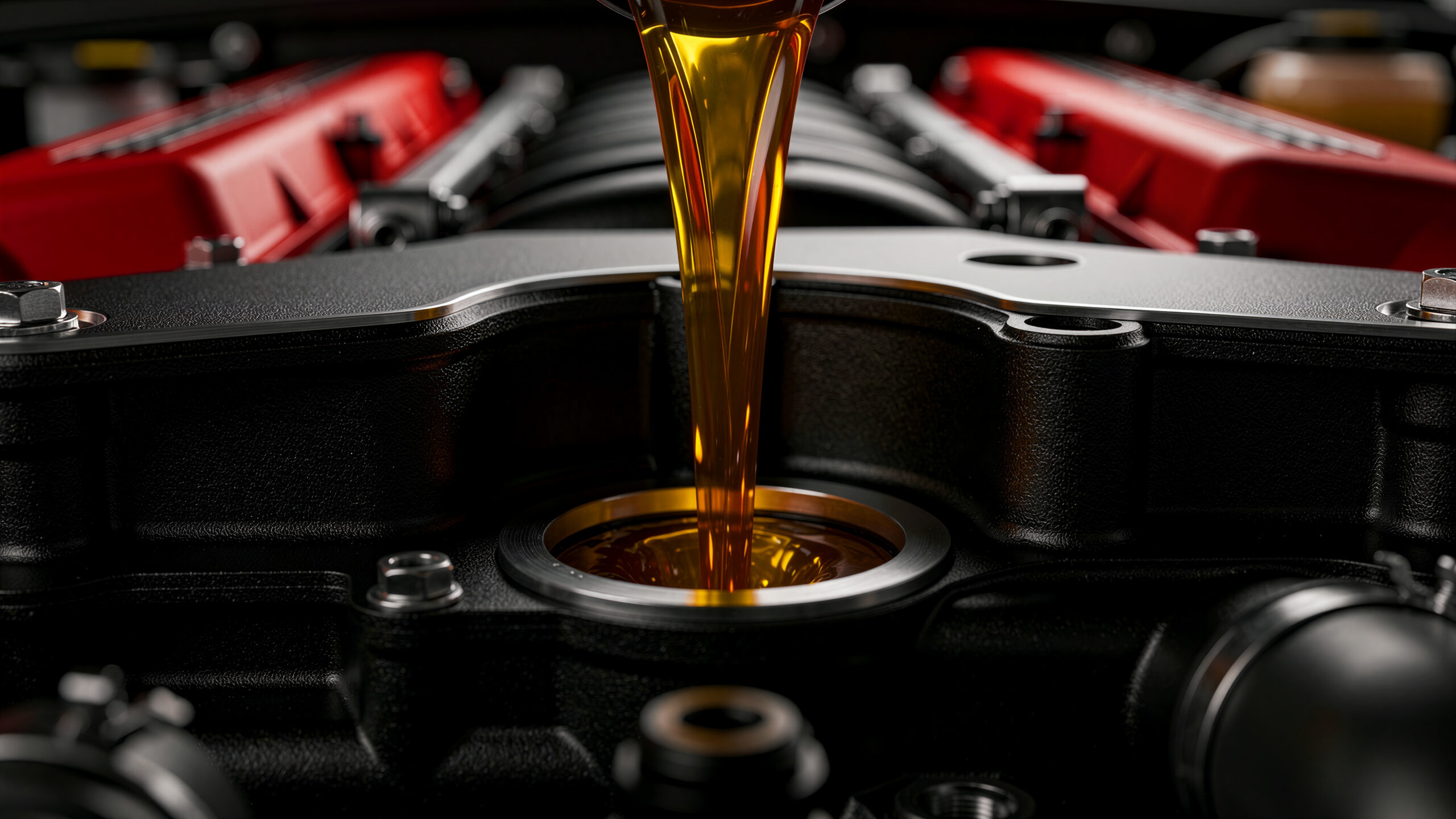
As synthetic oils become more expensive or harder to find, some vehicle owners may consider switching to another lubricant.
Speed doesn’t recommend that approach. “I would start off with extending oil change intervals,” he said.
Based on the used oil analyses he reviews every day, Speed believes most people replace their oil long before it has reached the end of its useful life. He recommends using oil analysis to determine whether a longer drain interval is appropriate instead of changing to an oil that may not meet the manufacturer’s specifications.
“I would never suggest using a different oil than what’s required for your vehicle,” Speed said. “Extending the life of the oil that’s already there is the right move.”
Warranty Requirements Could Create Challenges
Changing formulations is not always an option for lubricant manufacturers. Speed explained that General Motors’ dexos® licensing program requires approved formulations to remain consistent. If a manufacturer changes base oil suppliers, the product may need to be relicensed before it can continue to carry the dexos approval.
API-licensed products have more flexibility, allowing manufacturers to change approved suppliers while completing additional validation testing. Because of those differences, Speed believes some dexos-approved synthetic oils could become more difficult to source if supply remains tight.
Additives Could Be Affected Next
Base oils are only part of the picture. Speed said much of the sulfur used to manufacture lubricant additives also comes from the same region currently dealing with supply disruptions.
He has not seen widespread additive shortages yet, but he said the longer the current situation continues, the greater the chance those products will also become harder to source. Many refineries are focusing on diesel fuel production because of strong market demand, leaving fewer resources available for some other petroleum products.
Refineries Can’t Change Overnight

Some people assume refineries can simply begin producing more synthetic base oil, but Speed said it doesn’t work that way. Each refinery is designed around a specific type of crude oil and built to produce certain products. Operators can make small adjustments, but changing production in a major way requires significant investment and time.
Oil Analysis Can Help Businesses Adapt
For fleets, repair shops, and businesses with large amounts of equipment, Speed believes used oil analysis can be one of the most valuable tools available during periods of supply uncertainty.
He compared the process to routine blood work performed by a doctor. The results show what is happening inside the engine and help determine whether maintenance schedules should be adjusted. You can adjust your oil change intervals based on your oil analysis results.
Instead of relying on fixed service intervals or experimenting with substitute lubricants, businesses can use actual data to make maintenance decisions with confidence.
A Market Worth Watching
Conventional motor oils are expected to remain available because the United States produces a large amount of Group II base oil. The greatest pressure will likely remain on premium synthetic lubricants, especially the newest low-viscosity grades.
For now, Speed believes the best approach is to use the correct lubricant, monitor oil condition, and avoid making unnecessary substitutions. While additional production is expected later this year, supply and pricing will continue to depend on global demand and how quickly synthetic base oil production returns to normal.
At The AAM Group and Total Truck Centers, we believe jobbers, distributors, and supplier partners all bring irreplaceable value to the industry. Thank you to Lake Speed Jr. for joining us and giving our jobbers a closer look at the current state of oil supply. Stay tuned for the next episode of Leading the League for more insights and industry conversations.